Life in West Texas is not for the faint of heart and never has been . Water is scarce, the land not bountiful, heat oppressive, winds relentless, cold snaps brutal.
Powerful Sioux and Arapahoe tribes pushed south from their ancestral lands in what is today Canada, beginning in the 1200’s. Smaller tribes, mostly Athabaskan speaking peoples, Apache, Comanche and Navajo were then pushed off the Great Plains into the marginal lands of West Texas, New Mexico and Arizona.
The Navajo took up residence in what is today the greater ‘Four Corners’, the Apache settled in Southern New Mexico, Southern Arizona and West Texas and the Comanche also in West Texas, the Texas Panhandle and Eastern New Mexico. One of the popular resting places for the Apache and Comanche was the West Texas oasis, Comanche Springs.
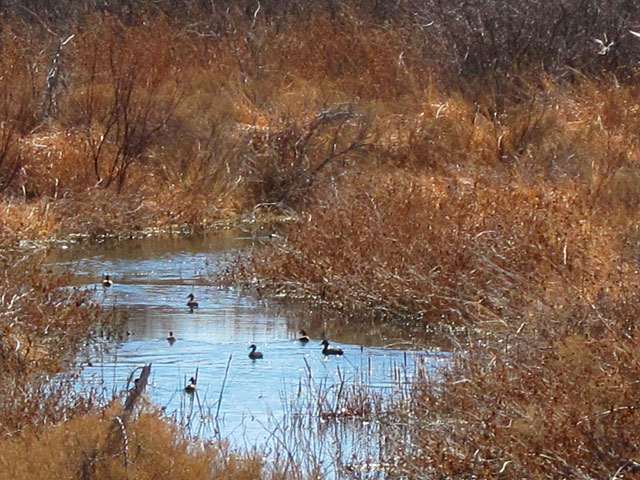
The first Europeans to explore these lands came up from the South, the Coronado Expedition of 1540…they walked on by. The next group of Europeans to come through these lands came from the East…the U.S. Army heading west and south to confront Mexico during the Mexican-American War (War of American Aggression to our friends south of the border) 1846 -1848. They were also quick to take their leave.
In 1849 Gold was discovered at Sutter’s Mill in California and the ‘49er Gold Rush’ was on. Fortune seekers traveled west to California any way they could. Two routes through Texas converged in El Paso. One came through the modern Dallas/Fort Worth area and the other from San Antonio. Protecting these immigrant trails and later the Butterfield Overland Stage fell to the U.S. Army. Forts were built. The fort constructed at Comanche Springs was named Fort Stockton after a U.S. Army Lieutenant who had passed away in San Antonio. He had been a member of the unit tasked with constructing the fort.

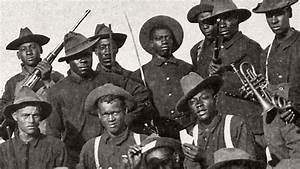
The fort and its Buffalo Soldiers of the 9th and 10th Cavalry would play a major role in subduing the Apache and Comanche during the post Civil War ‘Southern Indian Wars’ (1867 -1885).
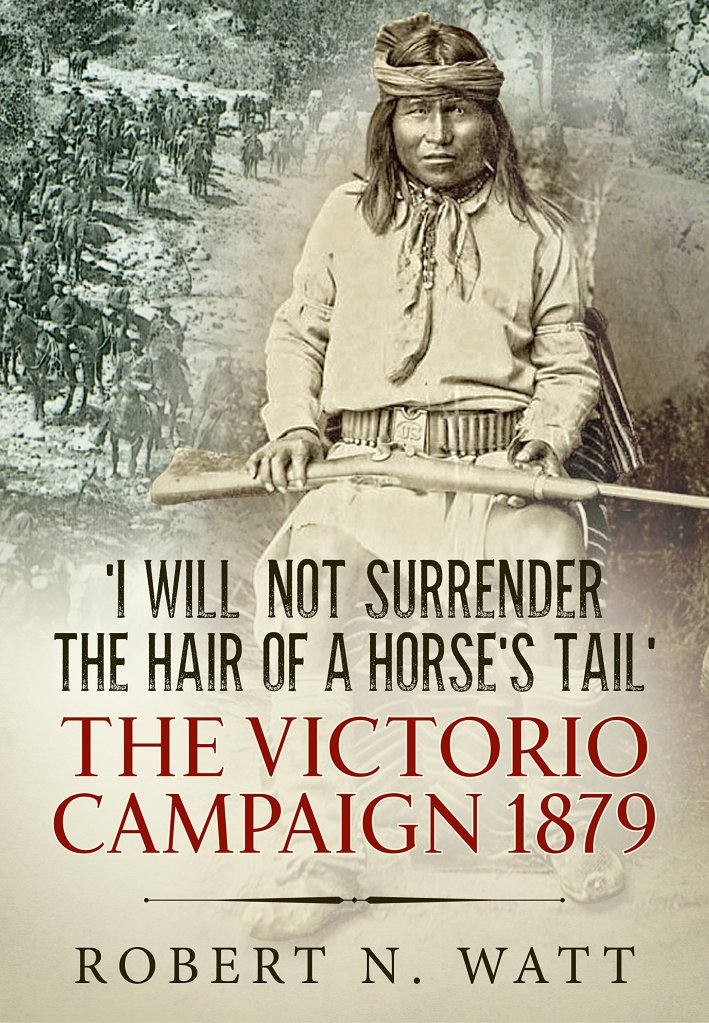
With the death of Victorio in 1880 the ‘Indian Wars’ in West Texas came to an end. Nana, a lieutenant of Victorio, would lead a small group of ‘renegades’ on raids for another sixteen years but they never posed a serious threat to American expansion and occupation.
The year-round water source which quenched the thirst of the nomadic Apache and Comanche was strained to the limit by post Civil War irrigation farmers. Today there is little farming left in the Fort Stockton area. The Spring does provide a summer escape for locals and has for years

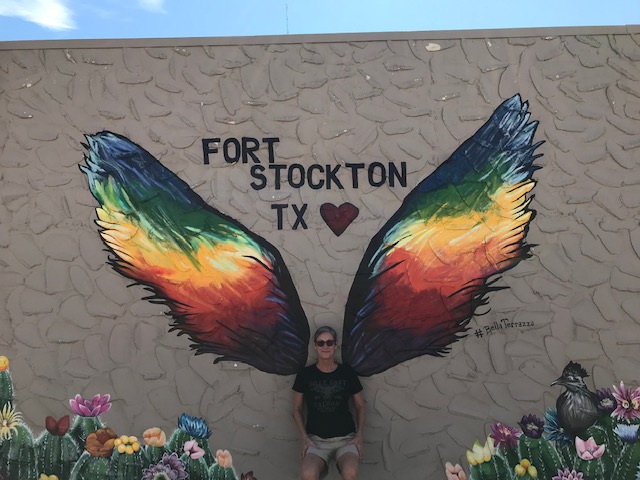
A whimsical mural on a downtown Fort Stockton building…Butterflies are Free to Fly, Mary Ann did not fly away.
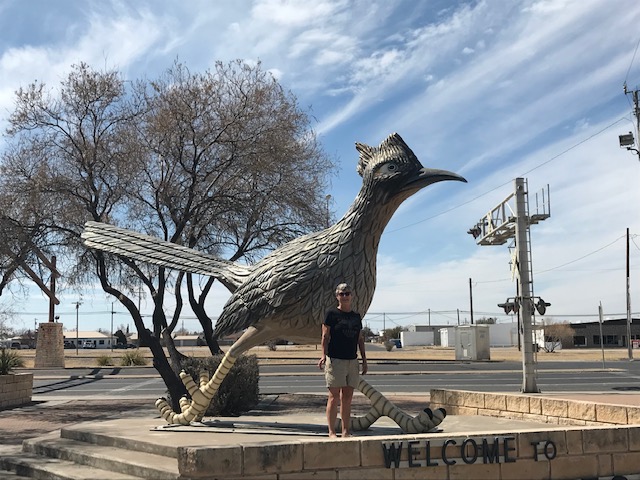
Fort Stockton’s most famous resident, ‘Paisano Pete’, largest Road Runner in the world…Beep, Beep.
Contrary to his portrayal by Warner Brothers and Chuck Jones, the Coyote may be the most intelligent of all animals, certainly he is the most adaptable. Legends from many Native American groups has the Coyote as the last living being on Mother Earth. Coyote America is a fascinating read about this most clever of all animals.

Peace…Wanderers in Wonder.


 Wanderers in Wonder
Leave a reply to Wanderers Cancel reply